Telford BHS to close as rescue bid for store giant fails with 11,000 jobs at risk
Telford's BHS store is to close - one of 163 shops which will be shut, with the loss of 11,000 jobs, after administrators today failed to find a buyer for the retailer.
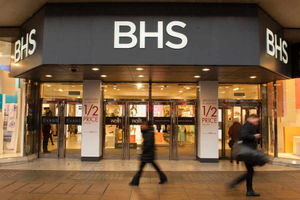
The BHS name will disappear from the high street, the business will be wound down and all BHS's 163 shops, including the one in Telford Town Centre, will close and be sold off to other retailers.
Administrator Duff & Phelps said that 8,000 permanent jobs are likely to be lost and another 3,000 not directly employed by BHS are also at risk.
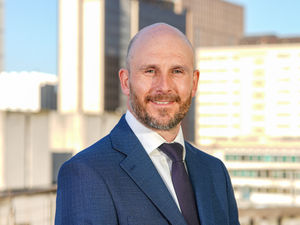
Duff & Phelps is understood to have been attempting to thrash out a takeover by a consortium led by Gregg Tufnell, a former Mothercare boss and the brother of ex-England cricketer Phil Tufnell.
The consortium, which includes banker Nick de Scossa and Jose Maria Soares Bento, registered a new firm called Richess Group Limited at Companies House earlier this month.
The group is thought to have secured financing for the deal from wealthy Portuguese backers.
1928: British Home Stores is set up in a store in Brixton, south London. Nothing costs more than a shilling.
1929: Prices rise to a five shilling maximum as home furnishings are introduced.
1970: Expansion since the Second World War means the brand now has 94 UK stores and around 12,000 workers.
2000: Sir Philip Green buys British Home Stores for £200 million. It is rebranded as BHS.
2002: BHS becomes part of the Arcadia retail empire after Sir Philip pays £840 million for the clothing chain which includes Topshop, Dorothy Perkins and Burton.
2005: The shop is beginning to lose pace as it is pitched against cheaper rivals such Primark.
2014: BHS department stores start selling food with the aim for it to be about 10% cheaper on branded goods than the big four supermarkets which are already involved in a price war.
2014: BHS makes a cash loss of £21 million in the year to August 2014, compared with £19.3 million in the year earlier.
2015: Sir Philip sells BHS to Retail Acquisitions, led by former bankrupt Dominic Chappell, for £1. Work begins on a turnaround plan to try to bring it back into profitability.
2016: The store is thrown a lifeline in March when creditors back two company voluntary arrangements (CVA) designed to cut costs and prevent widespread store closures.
2016: BHS collapses into administration in April, sparking an investigation by MPs into Sir Philip and Mr Chappell.
2016: Administrators fail to find a buyer for the firm and decide to wind the company down. Attention now turns to an MPs' inquiry into its demise.
Duff & Phelps said: "Although multiple offers were received, none were able to complete a deal due to the working capital required to secure the future of the company."
BHS collapsed in April, leaving behind a £571 million pensions black hole and sparking an investigation by MPs into its demise.
The administrator added that BHS will be in "close-down sale mode" over the coming weeks as it proceeds an "orderly wind-down" of the business.
Philip Duffy, managing director of Duff & Phelps, said: "The British high street is changing and, in these turbulent times for retailers, BHS has fallen as another victim of the seismic shifts we are seeing.
"The tireless work and goodwill of the existing management team and employees of BHS with the support of my team were not enough to change the fortunes of the company."
Upon hearing the news, one staff member at the Surrey Quays branch in south east London said: "The managers told us nothing, they're just sitting in the office."
Moments later, customers were asked to leave the store and the shutters closed.
BHS fell into administration in April, leaving behind a £571 million pensions black hole and sparking an investigation by MPs into its demise.
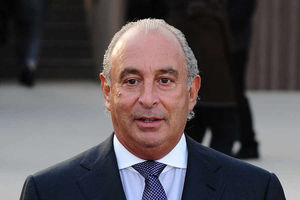
Attention will now turn to the role of previous owners, billionaire Sir Philip Green and former bankrupt Dominic Chappell, in the firm's collapse.
MPs are set to quiz both men in the coming weeks.
The pair have been roundly criticised, Sir Philip for paying a £400 million dividend to his family from the business and over his management of the pension scheme, and Mr Chappell for sucking management fees out of BHS before its collapse.
Sir Philip said he was "saddened and disappointed" by the company's demise, adding that he had hoped to see it sold as a going concern.
Restructuring firm Hilco will now be tasked with helping liquidate BHS's store estate and remaining stock.
Business Minister Anna Soubry said: "Today's announcement that the administrators have been unable to find a buyer for the business will be devastating news for all those who work at BHS and those in the supply chain. The Government stands ready to support workers to find new jobs as quickly as possible.
"The Business Secretary has already announced an accelerated Insolvency Service investigation into the activity of former BHS directors. Any issues of misconduct will be taken extremely seriously."
The news comes just days after administrators to Austin Reed said 120 stores would close after also failing to find a buyer for the business, resulting in the loss of approximately 1,000 jobs.
Dave Gill, of shopworkers' trade union Usdaw, said: "This news is a devastating blow for the staff and the shock waves will be felt on high streets throughout the country.
"There are some very serious questions that need to be answered, by former owners of the business, about how a company with decades of history and experience in retail has now come to this very sorry end."