
Auditors share damning criticisms of North West Relief Road scheme - and reveal true cost of controversial saga
Auditors have strongly criticised Shropshire Council's handling of its flagship road project, saying it lacks a proper plan for funding - or for cancelling the project.
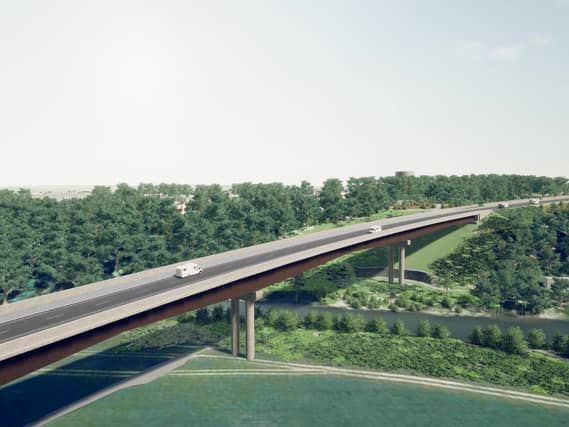


The handling of the Shrewsbury North West Relief Road (NWRR) project has been examined by auditors from Grant Thornton, after complaints from Liberal Democrat opposition councillor, David Vasmer.
The controversial project, which would effectively complete a ring road around Shrewsbury, was given planning permission last year, but has been blighted by delays, opposition, and uncertainty over how much it will cost - or how it will be paid for.
Now the auditors have delivered their verdict, with a host of criticisms for the way the project has been handled.
Central to the concerns are worries that the council does not have an adequate plan for financing the project - saying it is relying on government money and that "it is understood that borrowing is not considered to be a viable option by the council at this stage".
It says that the council is now considering using its £136m allocation from the Department for Transport's Local Transport Fund (LTF) to pay for the project if the government does not provide the money to meet the current shortfall.
The report reveals the road is now estimated to cost £178m, more than double the £81m originally expected.
It means the council is currently £91m short of the money needed to complete the road.
But the report says that the council can only have come up with the plan to use LTF money since March, when the funding was confirmed by the DfT, and adds: "Before this date it is unclear what credible funding options the council had to address this funding gap."
The auditors also question whether the LTF money, which is allocated over a seven-year period, can be used for the project.
The government says the money is intended for "a wide range of local transport measures", including "building new roads, improving road junctions and pavements, improving bus stations, installing or expanding tram lines, or improving train stations".
In the report auditors say that given the uncertainties over funding the council needs to draw up a robust funding plan for the project - and that previous guarantees to pay for the road from a Conservative minister cannot be relied upon because they were never put in writing.
They said: "There is no evidence of any formal funding plan documentation despite significant increases in forecast outturn costs since the outline business case approval in 2019.
"We note that there existed speculation regarding potential full funding of the project by the DfT based on statements previously made by the previous Secretary of State.
"However, given these statements have not been given in writing and that there has since been a change in government, the funding contribution from the DfT is formally capped at £54.4m, and the council's reporting of funding recognises this.
"Given the significant increases in the project's costs and DfT's formal funding commitment being capped at £54.4m, a formal funding plan with regular reviews and updates would be expected to be in place to set out options for addressing the funding gap."
As well as criticising the plans for paying for the project the auditors have also questioned why the council does not have a plan for the cost of cancelling the road - and dealing with the risk that the costs of cancellation could pose to the already cash-strapped authority.
The report states: "It has been noted that there is currently no reference to the cost of aborting the project within the project's risk register. We have been informed that the abortive costs for the project could be up to £23m, which could significantly impact the council's financial sustainability."
Other areas highlighted by the auditors are a failure to update people on the increasing costs of the project.
The report states: "Given the significance of cost increases seen, we consider that reporting has been unsatisfactory, specifically in the funding arrangements to support the project."
Following Councillor Vasmer's complaint the auditors have issued a number of recommendations to the council over the project, including 'formalising the NWRR executive board', 'formalising a funding plan', and 'formalise a plan to manage abortive costs'.
The council has accepted those recommendations.
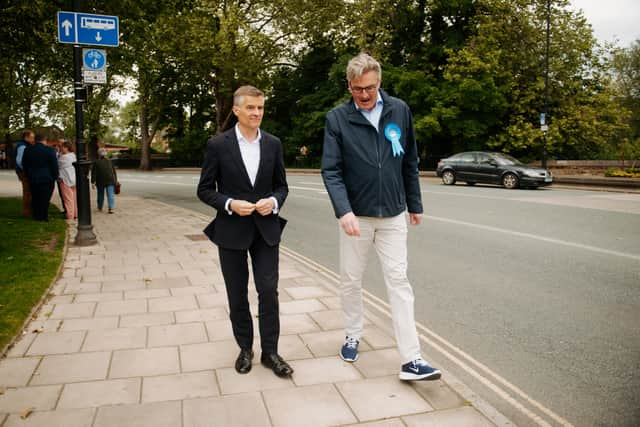
Reacting to the report Councillor Vasmer said: "As I suspected Shropshire Council has once again been guilty of financial mismanagement. I complained to the external auditor about the council's failure to assess the financial damage that could occur if the North West Relief Road was cancelled. The auditors' response was very critical of the council. It backed my view stating that the 'council does not have a robust funding plan approved and in place'."
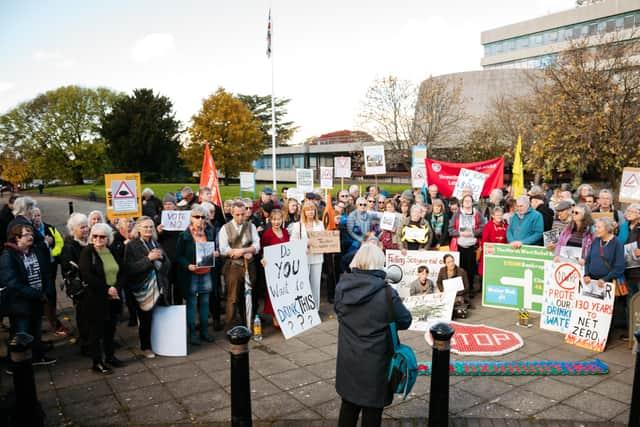
The findings have also been criticised by anti-relief road campaigners.
Mike Streetly, from Better Shrewsbury Transport, said the report made for "damning reading".
"As the auditors point out, the project team’s secrecy has extended to a total lack of proper oversight. The board that was supposed to be monitoring the NWRR’s costs didn’t keep meeting notes. Key personnel weren’t invited to attend meetings. And the senior officer in charge of the project has now taken voluntary redundancy right before the Full Business Case is due to be delivered to council.
"Residents should be absolutely furious. Those who want the NWRR have been duped. There is no blank cheque from Westminster and there never was. Those who opposed the road because they knew it was unaffordable have been proven right."
He added: "The road is now too expensive to build without bankrupting ourselves. If the council borrows cash for the road, it will go bust. The council’s solution? To blow all of Shropshire’s Local Transport Plan funding – money earmarked from to improve roads, fill potholes, and support bus and train services across the whole of the county between 2025 and 2032 – on four miles of road in Shrewsbury.
"This would be a smash and grab raid of epic proportions, robbing Shropshire residents who don’t live in Shrewsbury of funding that was supposed to benefit communities in places like Ludlow, Bridgnorth, Much Wenlock, Oswestry, Whitchurch, and Wem over the next seven years."
Comment Guidelines
Iconic Media encourages reader discussion on our stories. User feedback, insights and back-and-forth exchanges add a rich layer of context to reporting. Please review our Community Guidelines before commenting.